


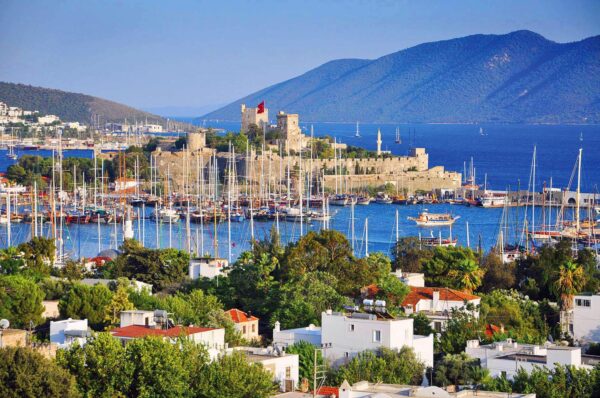

Why Bodrum Is Leading the Way in Male Longevity in Turkey
In a recent report released by the Turkish Statistical Institute (TÜİK) regarding 2026 data, a fascinating trend has emerged regarding the longevity of Turkish citizens. While the province of Tunceli leads the overall average life expectancy and ranks highest for women at 85.7 years, it is the picturesque province of Muğla that has claimed the crown for men. According to the data, men living in Muğla enjoy the longest average lifespan in the entire country, clocking in at an impressive 77.7 years.
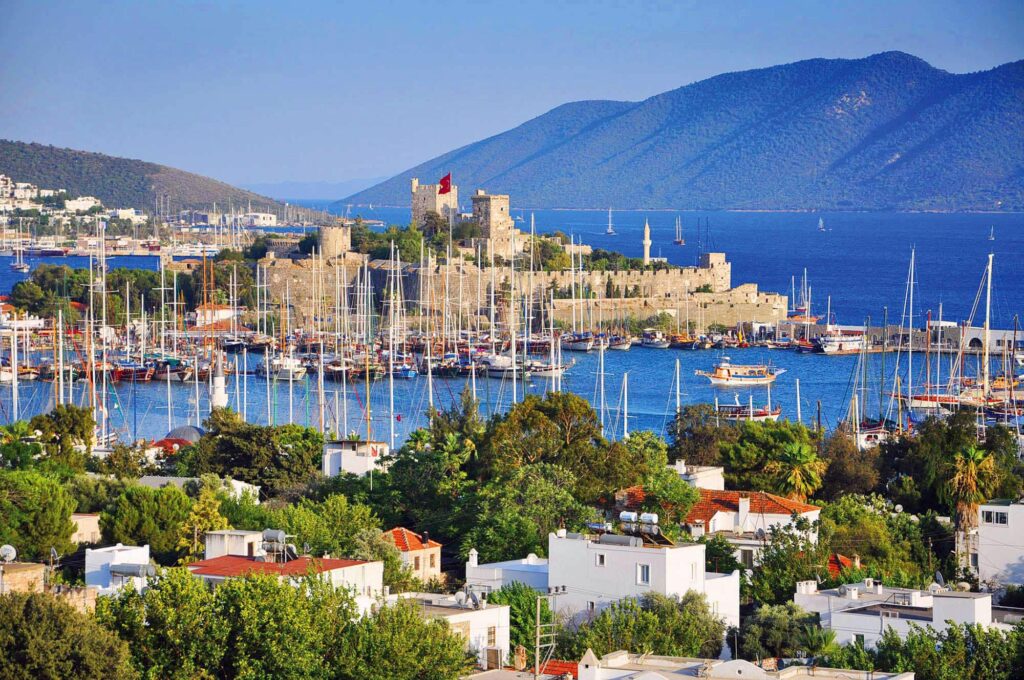
This statistic is particularly striking when you consider the district of Bodrum, often referred to as the “Pearl of the Aegean.” As the most famous tourist hub within Muğla, Bodrum’s lifestyle, diet, and environmental factors play a significant role in contributing to this remarkable health outcome. While the data reflects the entire province, the unique characteristics of Bodrum offer a compelling case study into why men in this region are outliving their peers elsewhere in Turkey.
The Blue Zone Vibe of the Aegean
When we look at global longevity hotspots, often referred to as “Blue Zones,” we see common threads: low stress, strong community bonds, regular physical activity, and a plant-heavy diet. Bodrum, with its deep-rooted history dating back to the ancient city of Halicarnassus, embodies many of these principles.
Unlike the frantic pace of metropolitan cities like Istanbul or Ankara, life in Bodrum moves to the rhythm of the sea. For the male population, this translates to lower levels of chronic stress, which is a major contributor to heart disease and early mortality. The environment encourages an outdoor lifestyle. Whether it is sailing, fishing, or simply walking along the coastline, the daily life of a Bodrum resident inherently includes movement that is often absent in sedentary urban jobs.
The Mediterranean Diet: A Man’s Best Friend
The TÜİK report shows that while Muğla men average 77.7 years, women in the province average 83.5 years. While there is still a gender gap, the male figure is notably higher than the national average. Nutritionists attribute this largely to the local diet.
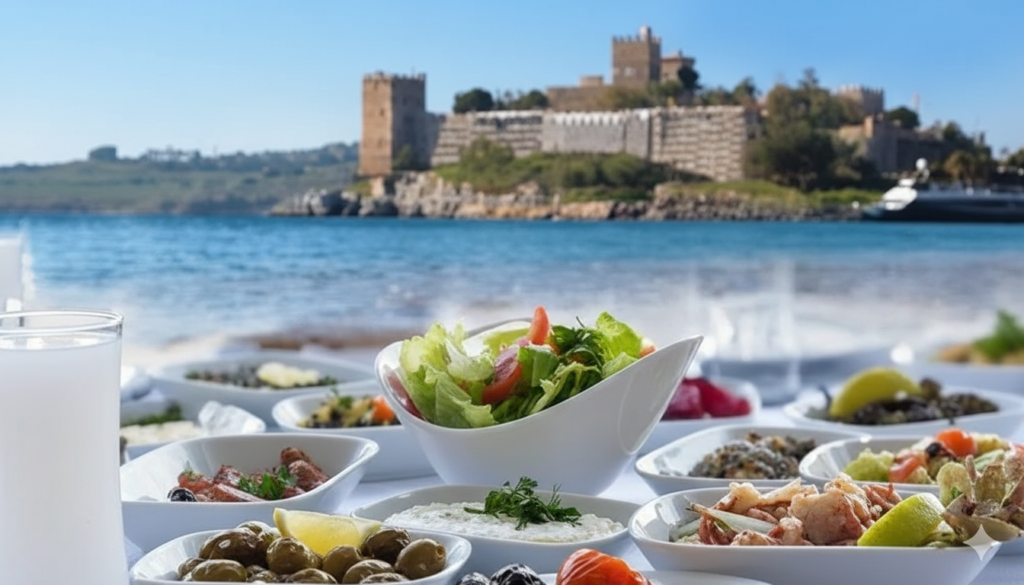
Bodrum’s soil and sea provide a natural pharmacy. The traditional “Bodrum cuisine” is heavily reliant on olive oil, fresh vegetables, and fish. For generations, men in the region have consumed wild greens (ot yemekleri) foraged from the hillsides, which are packed with antioxidants. The high consumption of locally sourced olive oil—rich in healthy monounsaturated fats—helps in maintaining cardiovascular health. Furthermore, the abundance of seafood provides essential omega-3 fatty acids, which are known to reduce inflammation and support brain health.
The Social Factor: “Muhabbet” and Community
One cannot discuss Bodrum without acknowledging the social fabric. In the data released by TÜİK, social determinants of health are often invisible, yet they are the bedrock of longevity. In the villages surrounding Bodrum—like Yalıkavak, Türkbükü, or Gümüşlük—it is common to see men gathering in local coffee houses (kahvehane) or by the water to engage in long conversations, play backgammon, and maintain deep social ties.
This “muhabbet” (conversation) culture acts as a buffer against depression and isolation, which are significant risk factors for early death among elderly men worldwide. The strong community networks ensure that elderly men remain integrated and valued members of society, giving them a sense of purpose well into their 80s.
Comparison with National Averages
To understand how impressive Muğla’s 77.7-year figure is, we must look at the national context. The TÜİK report highlights a disparity between provinces. While Tunceli leads overall with 80.5 years average (boosted by its high female rate), and Mardin follows closely with 80.3 years, Muğla’s male population stands out because they are significantly outpacing men in industrial or metropolitan areas.
The clean air of Bodrum also plays a non-negotiable role. Unlike the industrial zones of Turkey, Muğla benefits from strict construction height regulations (famous for the “pink line” rule limiting building heights to preserve the view) and the breeze from the Aegean Sea, which clears pollutants. Lower air pollution directly correlates with lower rates of respiratory illnesses and lung cancer, particularly benefiting the male demographic.
Healthcare and Economic Factors
Bodrum is not just a summer destination; it has become a hub for medical tourism and quality healthcare. The district is home to modern hospitals and specialized clinics that cater to both international tourists and the local population. Accessibility to quality healthcare means that chronic diseases common among men, such as hypertension and diabetes, are managed more effectively in Muğla than in less developed regions.
Furthermore, the economic prosperity of Bodrum allows for a higher standard of living. While the cost of living is high, the local population that has benefited from the tourism boom over the decades often has the financial security to afford better nutrition and healthcare.
The Mystery of Tunceli and the Strength of Muğla
The report interestingly notes the “common characteristics” of the provinces at the top. While Tunceli (also known as Dersim) has a cooler climate and a high-altitude terrain with a very different diet based on grains and dairy, Muğla represents the Mediterranean archetype. The common denominator, however, appears to be a life lived close to nature and a strong sense of cultural identity.
For men in Bodrum, life is not just about surviving; it is about thriving. The legacy of the Halicarnassus fisherman, the famous poet and fisherman of Bodrum, lives on in the spirit of the local men who view the sea not just as a resource, but as a partner in a long and healthy life.
Conclusion
As Turkey analyzes the 2026 TÜİK data, Muğla serves as a beacon of hope for male health in the nation. The statistic of 77.7 years is more than just a number; it is a testament to the power of lifestyle, diet, and environment. For the men of Bodrum, life is measured not in years, but in sunsets viewed from the coast, in shared meals of grilled fish, and in the deep, satisfying breaths of Aegean air.
While modern medicine and genetics play their part, the secret to Bodrum’s longevity seems to lie in the very essence of its ancient stones and endless blue waters. It proves that sometimes, the best medicine is simply a beautiful place to call home.