


Bodrum cosmetic surgery recovery: a practical English-language guide for international patients weighing safety, recovery and travel decisions. Medical suitability must be established by an appropriately qualified clinician after an individual assessment.
Plan recovery before planning the holiday
Bodrum cosmetic surgery recovery requires a medical plan before a leisure itinerary. A patient travelling for a facelift, rhinoplasty, body contouring or another procedure may need different levels of observation, wound care and time away from work. The right length of stay depends on the operation, anaesthesia, personal history and the treating clinician’s instructions. Do not assume that a hotel package and a short flight mean someone will be fit to swim or sightsee immediately afterwards. Ask the medical team for a written outline of likely recovery stages, expected review appointments and warning signs. A holiday-minded travel coordinator can help with logistics but cannot replace the surgeon’s clinical judgement.
Understand the intended procedure and its risks
Different cosmetic procedures involve distinct incisions, tissues, anaesthesia arrangements and recovery restrictions. A rhinoplasty patient should not follow body-lift advice, and someone who has undergone dental treatment may have a completely different plan from a patient receiving general anaesthesia. Ask what is typical for your particular operation and what changes would require reassessment. Explain allergies, previous surgery, clotting concerns and other health conditions through a private clinical channel. The treating team should distinguish ordinary recovery effects from symptoms of infection, bleeding, circulation problems or other serious complications. Published timelines are estimates rather than promises.
How many days should you stay near the clinic?
The length of local observation should be decided with the clinical team after considering the planned operation and the person’s health. A multi-day stay may permit a post-operative examination and assessment of wounds before international travel, but its exact duration is not universal. Some procedures may require longer review or delayed flights. Ask for the expected dates of dressing changes, drainage checks, suture care or other reviews relevant to the treatment. Clarify where you should go if something unexpected occurs during a weekend or outside business hours. A package’s minimum number of hotel nights should not override the medical advice.
Choose a recovery-friendly hotel in Bodrum
Consider the distance to the medical facility, the route from vehicle to room, lift access, room temperature, bedding and a calm environment. A beachfront party hotel may not be the most comfortable choice immediately after surgery. If movement is limited, ask about stairs, accessible bathrooms and whether assistance is available. Confirm whether meals can be provided in the room and whether a companion can stay. A quiet property in Bodrum or Gümbet may be more practical than a distant hillside villa, but the best location depends on the treating facility. Request the full accommodation address and written cancellation conditions.
Day of surgery and discharge instructions
Before discharge, ask for a written clinical summary, medicines, wound-care instructions and the telephone number for urgent questions. The medical team should explain what discomfort is expected and which changes require immediate evaluation. If anaesthesia affects alertness, follow the clinician’s guidance about accompaniment and avoiding certain activities. Do not plan to drive or undertake strenuous travel simply because the procedure is scheduled as a day case. A companion may help with luggage and communication, but clinical decisions remain with qualified professionals. Check that the transfer arrangements do not require unnecessary walking or lifting on discharge day.
Red flags that need medical attention
Worsening severe pain, spreading redness, fever, uncontrolled bleeding, fainting, breathing difficulty, chest pain or new leg swelling can be serious. These symptoms should not be dismissed as a normal holiday inconvenience. Seek prompt local emergency medical care when indicated; in Türkiye the emergency number is 112. Your treating clinician must also explain specific warning signs for your procedure. An online concierge response is not a substitute for urgent assessment. Do not self-diagnose infection from photographs or begin leftover antibiotics without medical advice. Every patient should know the nearest appropriate emergency service and keep a medical summary accessible.
Flight timing and blood clot considerations
International travel after surgery requires individual advice. Long periods of sitting and certain surgical procedures can increase the concern about venous thromboembolism, while anaesthesia and wound condition may influence when flying is appropriate. Never infer that a standard three-night package means flying home is safe for everyone. Discuss the planned route, flight duration, previous clotting history and any symptoms with the treating surgeon. Do not take anticoagulants or stop regular medicines without coordinated medical instruction. A fit-to-fly decision should be made by an appropriate clinician with knowledge of the actual treatment and patient.
Swimming, sea water and the Bodrum climate
Bodrum is associated with beaches, marinas and boat trips, but early post-operative wounds need protection. The treating team should determine when pools, sea swimming, sun exposure and strenuous outdoor activity may safely resume. Never assume that clear water makes bathing safe for a recent surgical incision. Heat, sweat, infection risk and exposure of scars to strong sun may complicate recovery. A pleasant coastal view can still be enjoyed without entering the water. If travelling during summer, choose accommodation with reliable indoor comfort and easy access to shade. Do not book a non-refundable yacht trip immediately after an operation without medical clearance.
Clothing, compression and practical comfort
Some procedures require particular dressings or compression garments, while others should not have pressure placed on the treatment area. Follow the exact instructions supplied by the clinical team; generic internet compression advice can be inappropriate. Pack loose clothing that is simple to put on without disturbing wounds, alongside essential medicines and appropriate footwear. Ask whether the clinic provides any garment or whether the patient must purchase it separately. Hotel laundry and extra pillows may be convenient, but do not improvise medical positioning if your surgeon has given different guidance. Practical preparation can reduce stress without altering the clinical recovery process.
Nutrition, hydration and medication
Recovery often involves balancing rest, appropriate nutrition and the medication plan set by the clinician. Alcohol, smoking, certain supplements and other substances may affect health or interact with medicines, so ask for personalised guidance. Patients with diabetes, kidney disease, cardiovascular conditions or food allergies may need specific advice. Avoid promotional claims that a particular smoothie, supplement or luxury spa treatment accelerates wound healing. A suitable hotel should support meals that fit your needs and the doctor’s instructions. Keep prescribed medicine names, doses and relevant allergies recorded so a local healthcare professional can assist if an unexpected problem develops.
Handling postoperative appointments
Some patients need a review shortly after surgery, while others have additional appointments for dressing changes or wound checks. Confirm whether these are included in the package, which clinic location is used and how transfers will be arranged. A review should be conducted by an appropriate healthcare professional, not merely by a driver or marketing team. If the clinic proposes follow-up photographs, ask who reviews them and whether additional face-to-face assessment may be needed. Keep copies of any findings and recommendations. Good aftercare is a clinical service; hotel and transfer providers can support attendance but do not provide the examination.
Companions and family travel
A companion may assist with luggage, communication, meals and reaching appointments, but their presence does not replace professional nursing care. Ask whether the patient needs someone to stay overnight and whether this is clinically recommended. Clarify the extra hotel bed, airport transfer seating and any companion meals. Travelling with small children immediately after an operation may create additional practical demands, so consider whether the patient can rest adequately. Some recovery plans require limiting lifting or bending; the medical team should advise. A written itinerary should make clear which services are for the patient and which are for family members.
What travel insurance may exclude
Ordinary travel insurance commonly has limitations relating to planned elective medical procedures and related complications. Policy terms vary, and an emergency transfer or unexpected hotel extension may not be reimbursed. Before booking, ask the insurer about overseas elective treatment, return flights, missed connections, emergency admission and the cost of additional accommodation. Keep copies of the policy and written decisions. Do not treat a hotel-and-transfer package as insurance simply because it contains multiple services. The UK Foreign Office advises careful research before arranging treatment overseas, including understanding local facilities and potential complications.
Photographs and progress reviews from home
Patients who return to the UK may be asked to provide follow-up photographs or attend a video review. Agree on lighting, appropriate views and a secure channel for sensitive medical information. A photo can help document progress but may not reveal deep infection or other complications. Ask when the clinic expects to review progress and when a local in-person assessment should be sought. Results can continue to evolve for weeks or months depending on the procedure and individual healing. Avoid judging outcome solely against another patient’s before-and-after image, and do not assume a marketing estimate is a guaranteed recovery deadline.
Plan sightseeing only if it is medically appropriate
Gentle cultural activities might be possible later in recovery for some patients, but the medical team’s advice should determine what can be attempted. Bodrum Castle, the waterfront and local restaurants may be appealing; nonetheless heat, uneven steps and crowds can make even short outings tiring. Avoid proposing intensive tours, beach clubs or late nights as standard parts of an immediate post-operative programme. If your companion wants independent sightseeing, arrange it without requiring the recovering patient to join. Travel arrangements should be flexible and refundable where possible. A treatment trip is not a conventional beach holiday during the initial healing period.
Recovery budget and extra nights
A written quote should identify surgery-related fees, follow-up reviews, the hotel, transfers and any relevant medicines or garments. Additional nights may be required if a clinician postpones flying or if an unexpected review is needed. Ask who pays for an extension, whether hotel rates could change and what happens to return transport. Some hotel reservations are non-refundable, and an included transfer may only cover specific dates. A realistic budget should include emergency contingency rather than assume the published package covers every medical event. Request written booking and amendment conditions before paying a deposit.
Frequently asked questions
Can I swim in the sea after surgery?
Only when the treating clinician confirms it is appropriate for the procedure and wound.
Is it safe to fly three days after surgery?
There is no universal rule; obtain individual medical advice.
Do I need a recovery companion?
It depends on the operation and the clinical instructions.
Can I book a yacht day immediately?
Do not assume so; postpone strenuous activities until medically cleared.
What if I have serious symptoms?
Seek urgent medical assessment; call 112 for an emergency in Türkiye.
Request a safer treatment travel plan
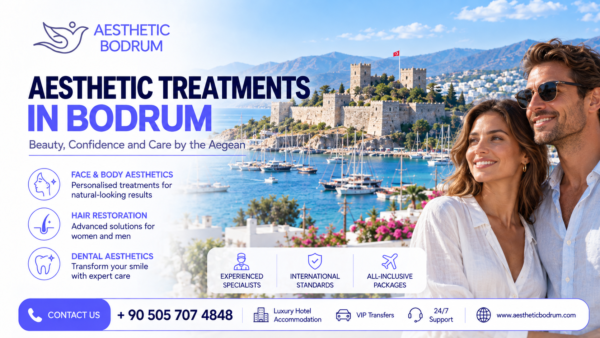
Aesthetic Bodrum can help coordinate travel enquiries for an appropriately planned medical stay, subject to actual provider arrangements. Ask for the exact treatment venue, qualified medical team, local review schedule, hotel nights and the transport required. The treating clinician should decide what recovery time is appropriate, which activities are restricted and when flying is reasonable. For related information review plastic surgery in Bodrum, facelift guidance, eyelid recovery and patient warnings. This is general education, not personalised medical advice.
Independent resources: HealthTürkiye · GOV.UK medical travel guidance · NHS cosmetic procedures guidance.