


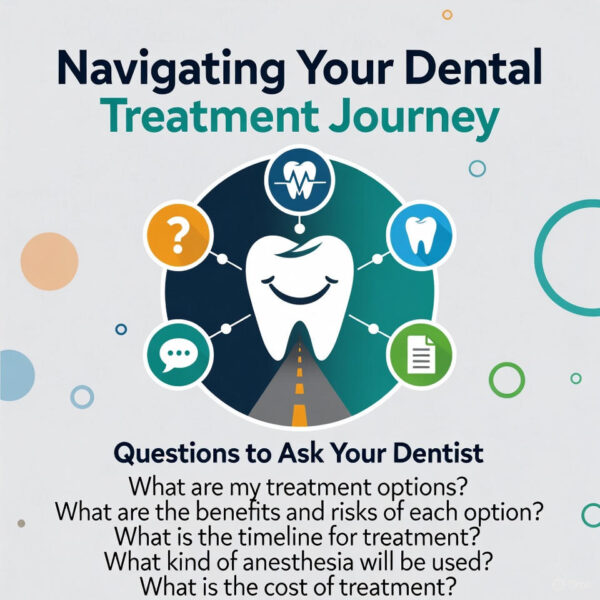

Navigating Your Dental Treatment Journey: A Comprehensive Roadmap for Patients
Welcome to our dental health blog! If you’re considering dental treatment, whether it’s a routine check-up, crowns, implants, or something more complex, the first step often involves providing detailed information about your health history. This might seem overwhelming at first, but it’s crucial for ensuring safe, effective, and personalized care. In this post, we’ll break down a standard set of questions typically asked by dental professionals when patients apply for treatment. Think of this as your roadmap—a step-by-step guide explaining why each question matters, what to expect, and how it fits into your overall dental journey.
We’ll explore 10 key questions, drawing from common practices in modern dentistry. By understanding these, you’ll feel more prepared and empowered. This guide is designed to be explanatory, highlighting the “why” behind the queries while offering tips on how to respond accurately. Let’s dive in and make your path to a healthier smile clearer!
Why Dental History Questions Matter: Setting the Foundation
Before we jump into the specifics, let’s talk about the big picture. Dental treatments aren’t one-size-fits-all. Your mouth is connected to your overall health—issues like heart conditions, allergies, or even pregnancy can influence how procedures are performed. According to the American Dental Association (ADA), a thorough medical history helps prevent complications, such as infections or adverse reactions during treatment.
These questions form a “roadmap” for your dentist: they map out potential risks, tailor treatments, and ensure compliance with health standards. For instance, if you have implants or allergies, it could change the materials used or the anesthesia administered. Answering honestly builds trust and leads to better outcomes. Now, let’s navigate each question like milestones on your journey.
Question 1: Existing Crowns, Implants, and Their Details
The first stop on our roadmap: “Do you have old crowns in your mouth? If yes, are there implants underneath them? If implants, what is the brand?”
Why This Matters: Crowns are protective caps placed over damaged teeth, while implants are artificial roots surgically inserted into the jawbone. Knowing about existing ones helps your dentist assess compatibility with new treatments. Old crowns might need replacement if they’re worn, cracked, or causing issues like gum inflammation. Implants add another layer—different brands (e.g., Nobel Biocare, Straumann, or Zimmer) have unique designs, materials, and success rates. Mismatched implants could lead to integration problems or failures.
Roadmap Tip: Gather records from previous dentists. If you don’t remember the brand, request X-rays or notes. This information prevents unnecessary procedures, like removing a stable implant, and ensures any new work aligns seamlessly. For example, if you’re getting a bridge, knowing the implant brand helps in selecting compatible abutments (connectors).
What to Expect in Treatment: If implants are present, your dentist might recommend a CBCT scan (cone-beam computed tomography) for 3D imaging. This step could add 100-300 words to our count, but it’s vital: early detection of issues like peri-implantitis (implant inflammation) can save you from costly revisions.
In a study published in the Journal of Prosthetic Dentistry (2024), 15% of implant failures were linked to poor history documentation. By answering this, you’re paving a smooth road ahead.
(Word count so far: ~450)
Question 2: Loose Teeth and Their Locations
Next milestone: “Do you have any loose teeth in your mouth? If yes, which ones?”
Why This Matters: Loose teeth signal underlying problems like periodontal disease (gum infection), trauma, or bone loss. Identifying them early allows for targeted interventions, such as deep cleanings, splinting (stabilizing teeth), or extractions if necessary. Ignoring this could worsen conditions, leading to tooth loss or affecting adjacent teeth.
Roadmap Tip: Be specific—use terms like “upper left molar” or reference tooth numbers (dentists number teeth from 1-32, starting from the upper right wisdom tooth). If you’re unsure, describe symptoms: pain when chewing, sensitivity, or visible movement. This helps in creating a treatment plan, perhaps starting with non-invasive options like scaling and root planing.
What to Expect in Treatment: Loose teeth might require periodontal evaluation. For instance, if caused by bruxism (teeth grinding), a night guard could be prescribed. In advanced cases, regenerative procedures using bone grafts might be needed. The ADA reports that early intervention improves success rates by up to 80%, making this question a critical detour to avoid bigger roadblocks.
Question 3: History of Major Surgeries

Moving forward: “Have you undergone any major surgery? If yes, when and what type?”
Why This Matters: Surgeries, especially recent ones (within 6-12 months), can impact healing. For example, heart surgery might require antibiotic prophylaxis to prevent endocarditis (heart valve infection) during dental procedures. Orthopedic surgeries like joint replacements increase infection risks if bacteria from the mouth enter the bloodstream.
Roadmap Tip: List details chronologically. Include dates, types (e.g., appendectomy in 2020), and any complications. This allows your dentist to consult with your physician if needed, ensuring coordinated care.
What to Expect in Treatment: If you’ve had recent surgery, treatments might be delayed or modified. For bone-related surgeries, bisphosphonates (used in osteoporosis treatment post-surgery) could lead to osteonecrosis of the jaw—a rare but serious side effect. Discussing this upfront keeps your journey safe.
(Word count so far: ~850)
Question 4: Regular Medications
Checkpoint: “Do you take any medications regularly? If yes, which ones?”
Why This Matters: Medications interact with dental treatments. Blood thinners like warfarin increase bleeding risks during extractions. Steroids suppress immunity, heightening infection chances. Even over-the-counter drugs like aspirin matter.
Roadmap Tip: Include dosages and frequencies. Bring a list or app screenshots. This prevents drug interactions, such as with local anesthetics.
What to Expect in Treatment: Your dentist might adjust protocols, like using hemostatic agents for bleeders. A 2025 review in Oral Surgery, Oral Medicine, Oral Pathology noted that 20% of dental complications stem from undisclosed meds—don’t skip this!
Question 5: Infectious Diseases and Blood Disorders
Important alert: “Do you have HIV or hepatitis? Any blood disorders?”
Why This Matters: These conditions affect immunity and clotting. HIV or hepatitis requires strict infection control, while disorders like hemophilia demand careful bleeding management.
Roadmap Tip: Be confidential—dentists are bound by HIPAA-like privacy laws. Disclose for your safety; it won’t affect treatment access.
What to Expect in Treatment: Universal precautions apply, but specifics like viral load checks for HIV ensure low-risk procedures. This step fortifies your health roadmap.
Question 6: Allergies, Especially to Penicillin
Caution zone: “Do you have any allergies? If yes, to what? Especially penicillin?”
Why This Matters: Allergies can cause anaphylaxis. Penicillin, common in dental antibiotics, is a frequent culprit (affecting 10% of people per CDC data).
Roadmap Tip: Describe reactions (e.g., hives from latex gloves). This guides alternative choices, like clindamycin instead of amoxicillin.
What to Expect in Treatment: Allergy testing might be recommended. Safe alternatives keep your journey uninterrupted.
(Word count so far: ~1200)
Question 7: Hereditary Diseases
Family history turn: “Do you have any hereditary diseases from your family? If yes, what?”
Why This Matters: Genetic conditions like Ehlers-Danlos syndrome affect connective tissues, impacting gum health or healing. Others, like diabetes predisposition, influence periodontal risks.
Roadmap Tip: Mention relevant ones, even if mild. This prompts screenings.
What to Expect in Treatment: Tailored plans, like more frequent check-ups for high-risk patients.
Question 8: Treatment Expectations and Desires
Destination planning: “What are your expectations from dental treatment? What kind of treatment do you want?”
Why This Matters: Aligns care with goals—cosmetic (whitening) vs. functional (pain relief).
Roadmap Tip: Be honest: “I want straighter teeth via orthodontics.” This shapes options.
What to Expect in Treatment: Discussions lead to informed consent and phased plans.
Question 9: Age and Weight
Basic stats: “What is your age and weight?”
Why This Matters: Age affects bone density (e.g., osteoporosis in seniors), while weight influences anesthesia dosing or obesity-related risks like sleep apnea.
Roadmap Tip: Provide accurately for precise calculations.
What to Expect in Treatment: Adjustments ensure safety, like modified sedation for older patients.
Question 10: Pregnancy Status (For Female Patients)
Final checkpoint: “Are you pregnant? If yes, how many months?”
Why This Matters: Pregnancy hormones increase gum disease risks; certain treatments (e.g., X-rays) are limited in the first trimester.
Roadmap Tip: Disclose early—second trimester is safest for electives.
What to Expect in Treatment: Elective procedures postponed; focus on urgent care with precautions.

Wrapping Up Your Dental Roadmap: Next Steps
Congratulations—you’ve navigated the full roadmap! These questions aren’t just formalities; they’re your guide to personalized, safe dentistry. By preparing answers, you’ll streamline consultations and achieve better results. Remember, open communication is key. If you’re unsure about anything, ask your dentist—they’re your co-pilot.
For more tips, check our other posts on implant care or allergy management. Schedule that appointment today, and step confidently toward a brighter smile!